

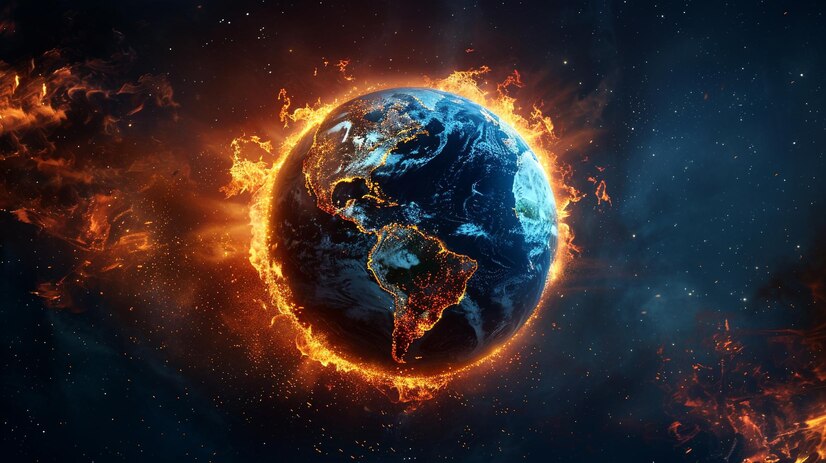
Global warming, a pressing issue in today’s environmental discourse, refers to the long-term increase in Earth’s average surface temperature due to human activities. This phenomenon is a subset of climate change, encompassing the specific aspect of rising temperatures driven by greenhouse gas emissions. As the global community grapples with its consequences, it becomes crucial to understand the definition, historical growth, current impacts, and future ramifications of global warming. This article provides a comprehensive overview, exploring the multifaceted nature of global warming, its advantages and disadvantages, and the steps needed to address this critical issue.
Definition of Global Warming
Global warming is defined as the gradual increase in Earth’s average temperature caused primarily by the accumulation of greenhouse gases in the atmosphere. These gases, which include carbon dioxide (CO₂), methane (CH₄), nitrous oxide (N₂O), and fluorinated gases, trap heat from the sun and prevent it from escaping back into space. This greenhouse effect is a natural process, but human activities—such as burning fossil fuels, deforestation, and industrial processes—have significantly intensified it, leading to accelerated warming.
Historical Growth of Global Warming
The scientific study of global warming began in earnest in the late 19th century when researchers like Svante Arrhenius first identified the relationship between CO₂ concentrations and temperature. However, it wasn’t until the mid-20th century that the phenomenon gained widespread recognition. Key milestones in its development include:
- 1950s-1960s: Early studies by scientists such as Charles David Keeling, who developed the Keeling Curve, demonstrated a clear upward trend in atmospheric CO₂ levels.
- 1970s-1980s: The establishment of the Intergovernmental Panel on Climate Change (IPCC) in 1988 marked a significant step in global efforts to understand and combat global warming. The IPCC’s assessments provided comprehensive evaluations of the scientific evidence and potential impacts.
- 2000s-Present: Increasingly frequent and severe weather events, rising global temperatures, and melting polar ice caps have intensified the focus on global warming. International agreements, such as the Paris Agreement of 2015, aim to limit global temperature rise and mitigate the effects of global warming.

Current Impact on Earth
The current impact of global warming is profound and widespread, affecting various aspects of the Earth’s systems:
- Temperature Rise: Average global temperatures have increased by approximately 1.1°C (2°F) since the pre-industrial era. This rise is associated with more frequent and severe heatwaves, which have implications for human health, agriculture, and natural ecosystems.
- Melting Ice Caps and Glaciers: The polar ice caps and glaciers are experiencing accelerated melting, contributing to rising sea levels. The Arctic ice extent has decreased significantly over the past few decades, affecting Arctic ecosystems and indigenous communities.
- Rising Sea Levels: As ice melts and ocean waters expand due to higher temperatures, sea levels are rising. This poses a threat to coastal communities, leading to increased flooding, erosion, and loss of habitat for both humans and wildlife.
- Extreme Weather Events: Global warming has been linked to an increase in the frequency and intensity of extreme weather events, including hurricanes, droughts, and heavy rainfall. These events can cause widespread damage, disrupt ecosystems, and impact food and water supplies.
- Ocean Acidification: Increased CO₂ levels are causing the oceans to become more acidic, which affects marine life, particularly organisms with calcium carbonate shells or skeletons, such as corals and shellfish. This disruption has cascading effects on marine ecosystems and fisheries.

Future Impact on Earth
The future impact of global warming is a subject of extensive research and modeling. Projections suggest several potential scenarios based on current emission trajectories and mitigation efforts:
- Temperature Increases: If current trends continue, global temperatures could rise by 1.5°C to 4.5°C (2.7°F to 8.1°F) by the end of the 21st century. This range reflects various scenarios depending on emissions pathways and climate policies.
- Sea Level Rise: Continued melting of ice sheets and thermal expansion of seawater could lead to a sea level rise of 0.3 to 1 meter (1 to 3 feet) by 2100. This would exacerbate coastal flooding and potentially displace millions of people.
- Ecosystem Disruption: Many ecosystems, including coral reefs, rainforests, and tundras, could face severe disruption. Species migration patterns may shift, and some ecosystems may collapse, leading to loss of biodiversity and altered ecological balances.
- Human Health Risks: Increased temperatures and extreme weather events are likely to have significant health impacts, including heat-related illnesses, the spread of vector-borne diseases, and respiratory problems due to poor air quality.
- Agricultural Challenges: Changes in temperature and precipitation patterns could affect crop yields, potentially leading to food shortages and increased competition for resources. Adaptation strategies will be necessary to ensure food security.
Advantages of Addressing Global Warming
While the challenges posed by global warming are substantial, addressing the issue also presents several advantages:
- Innovation and Technology: Tackling global warming stimulates technological innovation, leading to advancements in renewable energy, energy efficiency, and sustainable practices. Innovations such as solar power, electric vehicles, and green building materials contribute to a more sustainable future.
- Economic Opportunities: The transition to a low-carbon economy can create new economic opportunities, including jobs in renewable energy sectors, energy-efficient industries, and sustainable agriculture. Investing in green technologies can drive economic growth and competitiveness.
- Improved Public Health: Reducing greenhouse gas emissions can lead to cleaner air and water, reducing health problems associated with pollution and improving overall public health. Initiatives such as reduced reliance on fossil fuels and increased green spaces can enhance quality of life.
- Resilient Ecosystems: Effective climate action can help preserve and restore ecosystems, leading to greater resilience against climate impacts. Protecting forests, wetlands, and marine environments can support biodiversity and ecosystem services.
Disadvantages and Challenges
Addressing global warming also presents several challenges and potential disadvantages:
- Economic Costs: Transitioning to a low-carbon economy can involve significant upfront costs, including investments in renewable energy infrastructure, energy efficiency upgrades, and the development of new technologies. These costs can be a barrier for some economies and industries.
- Disruption to Existing Industries: The shift away from fossil fuels may lead to economic disruptions in industries reliant on these resources, such as coal mining and oil extraction. These disruptions can impact livelihoods and necessitate economic restructuring and support.
- Policy and Political Challenges: Implementing effective climate policies often requires coordinated action at national and international levels. Political resistance, competing interests, and differing priorities can hinder progress and delay necessary actions.
- Equity Concerns: The impacts of global warming are not evenly distributed, with vulnerable communities often bearing the brunt of climate-related risks. Addressing these inequities and ensuring that climate action is fair and inclusive is a critical challenge.
Conclusion
Global warming is a complex and multifaceted issue with far-reaching implications for the planet and its inhabitants. Understanding its definition, historical development, current impacts, and future consequences is essential for crafting effective solutions. While the challenges of global warming are substantial, addressing them presents opportunities for innovation, economic growth, and improved public health.
To mitigate the effects of global warming and safeguard the future of our planet, concerted efforts are needed at local, national, and global levels. By embracing sustainable practices, investing in clean technologies, and fostering international cooperation, we can work towards a more resilient and equitable world. The journey to combat global warming is challenging, but with commitment and action, it is possible to steer our planet towards a sustainable and thriving future.
Read More:
- Eiffel Tower: A Triumph of Innovation and Engineering Mastery for Over 130 Years
- IREDA Share Price: A Dynamic Analysis of IREDA’s Market Performance in 2024
- Cristiano Ronaldo: The Unstoppable Legacy of a 5-Time Football Legend
