

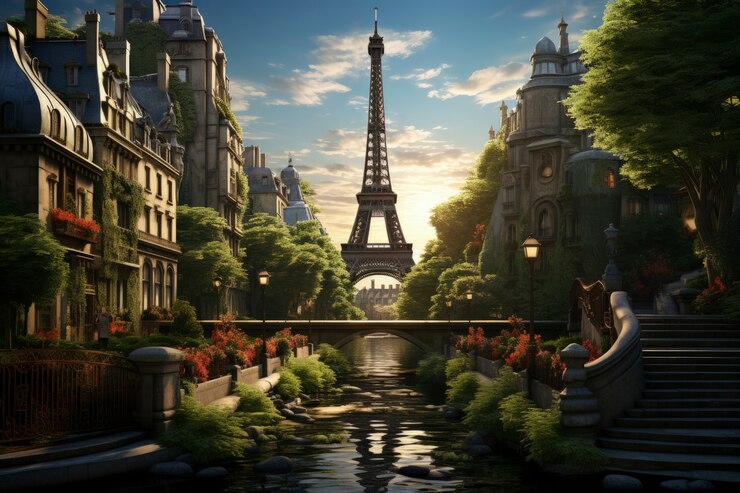
The Eiffel Tower, an enduring symbol of architectural brilliance and engineering prowess, stands as one of the most recognizable landmarks in the world. Constructed in Paris, France, this iconic structure has captivated millions of visitors and remains a testament to human ingenuity. This article explores the Eiffel Tower’s journey from its inception to its current status, examining its startup, growth, technological advancements, maintenance, and future prospects.
The Beginnings: Construction and Vision
The Eiffel Tower’s story begins in the late 19th century. Commissioned by the French government as the centerpiece for the 1889 Exposition Universelle (World’s Fair) held to celebrate the 100th anniversary of the French Revolution, the project was designed by the French engineer Gustave Eiffel. Eiffel, whose engineering firm was responsible for the design and construction, envisioned the tower as a demonstration of the possibilities of iron architecture and a symbol of French industrial power.
The Startup Phase: Design and Construction
The planning and design phase of the Eiffel Tower commenced in 1884, led by Maurice Koechlin and Émile Nouguier, senior engineers working for Eiffel. Their initial designs faced criticism from some of France’s leading artists and intellectuals, who feared that the tower would mar the Parisian skyline. Despite these concerns, Eiffel’s determination and innovative vision prevailed. Construction began in January 1887 and was completed in March 1889, taking just over two years to finish—a remarkable feat given the project’s scale and the technology of the time.

Growth and Expansion
Upon completion, the Eiffel Tower stood at 300 meters (984 feet), making it the tallest man-made structure in the world until the completion of the Chrysler Building in New York in 1930. Initially, the tower was met with mixed reactions, but it quickly became a celebrated symbol of modern engineering and a major tourist attraction.
The tower has undergone several modifications and upgrades since its completion. In 1957, a television antenna was added to the top, increasing its height to 324 meters (1,063 feet). Today, the Eiffel Tower remains a dynamic structure, continually evolving to meet the needs of its millions of visitors.
Mergers and Partnerships
Although the Eiffel Tower itself was not subject to mergers or traditional business partnerships, it has been involved in numerous collaborations over the years. These include partnerships with tourism operators and events, such as the annual “Illuminations of the Eiffel Tower,” where light shows and artistic displays enhance the tower’s allure. Additionally, the Eiffel Tower’s management has engaged in collaborations with various technology firms to enhance visitor experiences and operational efficiency.
Security Measures and High-Tech Enhancements
Security has always been a priority for the Eiffel Tower. In recent years, the tower has seen significant upgrades in security technology. Following the 2015 Paris attacks, enhanced security measures were implemented, including the installation of advanced surveillance systems, metal detectors, and reinforced glass barriers. The integration of high-tech security features ensures the safety of both visitors and staff while preserving the tower’s aesthetic appeal.
Cost and Maintenance
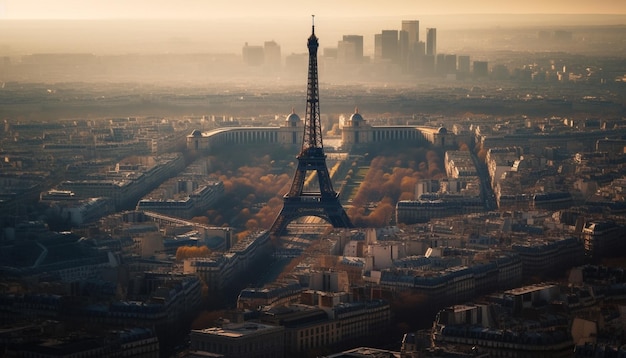
The cost of maintaining the Eiffel Tower is substantial. The tower requires regular upkeep to address issues such as rust and wear. Approximately every seven years, the structure undergoes a comprehensive repainting process, which involves several thousand liters of paint and a large workforce. This maintenance is crucial to prevent corrosion and preserve the tower’s iconic appearance. The annual maintenance cost is estimated to be around €60 million, a significant investment reflecting the importance of preserving this global landmark.
Raw Materials and Construction
The Eiffel Tower was constructed using approximately 18,000 individual iron parts, which were assembled using 2.5 million rivets. The iron used in the tower was sourced from the Lorraine region of France, known for its high-quality iron ore. The choice of iron was revolutionary at the time, allowing for the creation of a structure that was both lightweight and incredibly strong.
Facilities and Visitor Experience
The Eiffel Tower offers a range of facilities to enhance the visitor experience. It features three levels accessible to the public: the first level, the second level, and the summit. The first level includes a glass floor, a panoramic gallery, and a range of restaurants and shops. The second level provides breathtaking views of Paris and houses more dining options. The summit, accessible via an elevator, offers an unparalleled view of the city and beyond.
The tower also includes various amenities such as audio guides, gift shops, and observation decks. These facilities contribute to the Eiffel Tower’s status as one of the most visited monuments in the world, attracting millions of tourists each year.
Labor Costs and Workforce
The construction of the Eiffel Tower employed a significant number of workers. During its initial construction, around 300 workers were involved in erecting the structure, a remarkable feat given the manual tools and techniques of the era. Today, the workforce involved in maintaining and operating the Eiffel Tower includes a diverse team of engineers, maintenance personnel, security staff, and customer service representatives.
Labor costs have fluctuated over the years, influenced by various factors including wage inflation and advancements in technology. The modern workforce is equipped with state-of-the-art tools and technology to ensure efficient operations and maintenance.
Time Taken for Development
The development of the Eiffel Tower was an impressive engineering achievement. From the start of construction in January 1887 to its completion in March 1889, the project was completed in just over two years. This rapid construction timeline was facilitated by the use of prefabricated iron parts, which were assembled on-site. The efficiency and speed of the construction process were significant accomplishments for the time.
Capital Investment and Financial Aspects
The total cost of constructing the Eiffel Tower was approximately 7.8 million French francs, which would be equivalent to about €32 million today when adjusted for inflation. The funding for the project was sourced through government support, private investors, and Eiffel’s own financial contributions. The Eiffel Tower’s revenue generation from tourism, dining, and merchandising has offset maintenance costs and contributed to its financial sustainability.
Future Growth and Prospects
Looking ahead, the Eiffel Tower is poised to continue its legacy as a global icon. Future growth prospects include the ongoing enhancement of visitor experiences through technological advancements, such as augmented reality and interactive exhibits. Additionally, continued investments in infrastructure and sustainability initiatives will ensure that the tower remains a vibrant and attractive destination for future generations.
The Eiffel Tower’s management is also exploring new ways to integrate eco-friendly practices and reduce its environmental impact. Initiatives such as energy-efficient lighting and waste reduction programs are part of the broader strategy to ensure the tower’s sustainability.
Conclusion
The Eiffel Tower’s journey from a controversial construction project to a global symbol of architectural and engineering excellence is a remarkable story. Its successful startup, growth, and ongoing evolution reflect the enduring appeal of this iconic landmark. Through strategic maintenance, high-tech security measures, and a focus on enhancing the visitor experience, the Eiffel Tower continues to captivate and inspire millions of people around the world.
As it approaches its 140th anniversary, the Eiffel Tower remains a testament to human creativity and engineering prowess, embodying the spirit of innovation that defines modern landmarks. With ongoing investments in technology and sustainability, the Eiffel Tower is set to continue its legacy as one of the world’s most beloved and enduring symbols of architectural achievement.
