

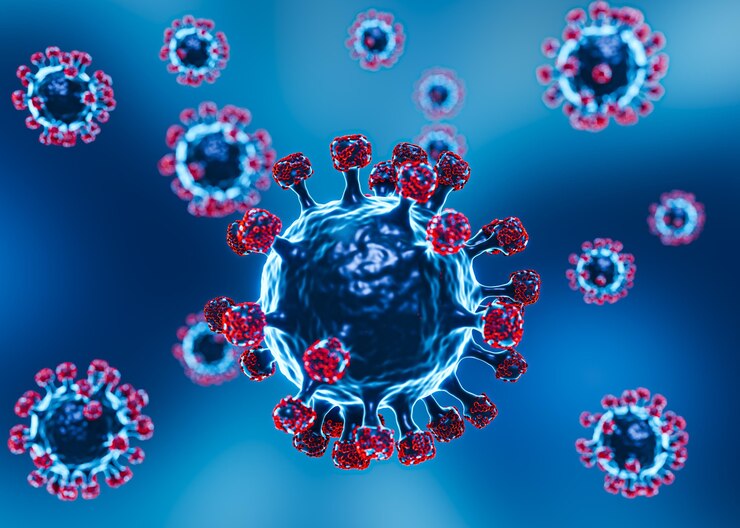
The Mpox virus, formerly known as Monkeypox, has garnered significant attention in recent years due to its outbreaks across various regions. Originally discovered in the 1950s, it has emerged as a public health concern with implications for global health systems. This article delves into the latest developments surrounding the Mpox virus, including recent news, affected countries, symptoms, preventive measures, and available treatments.
Recent Developments
In recent years, Mpox has transitioned from a relatively obscure pathogen to a prominent health issue, particularly with the surge in cases reported globally. The World Health Organization (WHO) declared a global health emergency in 2022 following a sharp rise in cases outside of Africa, where the virus was traditionally endemic. The outbreak highlighted the virus’s potential for rapid international spread and the need for coordinated response efforts.
The latest updates reveal that Mpox cases have continued to fluctuate in various parts of the world. As of August 2024, countries including the United States, the United Kingdom, Canada, and several European nations have reported ongoing cases. The spread of Mpox has been facilitated by international travel and global interconnectedness, underscoring the need for vigilant monitoring and swift action.
Countries Affected
Historically, Mpox was primarily reported in Central and West Africa, with the Democratic Republic of Congo (DRC) and Nigeria being the most affected. However, the 2022 outbreak marked a significant shift, with cases rapidly emerging in non-endemic regions.
- United States: The U.S. has seen a notable increase in Mpox cases, particularly in urban areas. Public health authorities have been actively involved in containment efforts and vaccination campaigns to curb the spread.
- United Kingdom: The UK has also experienced a rise in Mpox cases, leading to enhanced surveillance and public health advisories. The National Health Service (NHS) has been at the forefront of managing and mitigating the outbreak.
- Canada: Canada reported several Mpox cases, primarily in larger cities. Health officials have implemented precautionary measures and provided resources for public awareness.
- European Nations: Countries such as Spain, France, and Germany have reported cases, prompting a coordinated response at the European level to control the spread and provide support to affected areas.

Symptoms
Mpox is a zoonotic disease, meaning it can be transmitted from animals to humans. The symptoms of Mpox are somewhat similar to those of smallpox, though generally less severe. The clinical presentation of Mpox includes:
- Initial Symptoms: The onset of symptoms typically involves fever, headache, muscle aches, backaches, and swollen lymph nodes. These symptoms are often accompanied by fatigue and malaise.
- Rash Development: One of the hallmark symptoms of Mpox is a distinctive rash that progresses through various stages. Initially, the rash appears as flat red spots, which then develop into small, fluid-filled blisters. These lesions eventually crust over before healing.
- Additional Symptoms: In some cases, patients may experience sore throat, cough, or conjunctivitis. The severity of symptoms can vary, with some individuals exhibiting milder forms of the disease.
- Complications: Severe cases can lead to complications such as secondary bacterial infections, pneumonia, or, in rare instances, death. The risk of severe disease is higher in young children, pregnant women, and individuals with weakened immune systems.
Precautions and Prevention
Preventing Mpox involves a combination of personal precautions and public health measures. Key strategies include:
- Avoiding Contact with Infected Individuals: Since Mpox can spread through direct contact with lesions or bodily fluids of infected individuals, avoiding close contact with symptomatic persons is crucial.
- Hygiene Practices: Regular handwashing with soap and water, or the use of hand sanitizers containing alcohol, can reduce the risk of transmission. It is also important to practice good respiratory hygiene, including covering coughs and sneezes.
- Protective Clothing: In areas with ongoing outbreaks, wearing protective clothing and using personal protective equipment (PPE) when dealing with potentially infected animals or people can help minimize the risk.
- Vaccination: The smallpox vaccine has shown some efficacy in preventing Mpox. While smallpox was eradicated decades ago, the vaccine is still available and recommended for those at high risk of exposure, such as healthcare workers and travelers to endemic regions.
- Animal Precautions: Avoiding contact with animals that might harbor the virus, including rodents and primates, is important. In endemic areas, this includes avoiding handling wild animals and practicing safe food preparation methods.

Treatment and Management
There is no specific antiviral treatment for Mpox, but several strategies can help manage and alleviate symptoms:
- Supportive Care: Most cases of Mpox are mild and can be managed with supportive care. This includes maintaining hydration, managing fever with antipyretics, and ensuring proper nutrition.
- Antiviral Medications: In severe cases or those at high risk of complications, antiviral medications such as tecovirimat (TPOXX) or cidofovir may be considered. These drugs, initially developed for smallpox, have shown efficacy against Mpox.
- Isolation: Patients with Mpox should be isolated to prevent the spread of the virus to others. This involves staying in a designated area away from other people and adhering to strict hygiene practices.
- Medical Consultation: Seeking medical advice is essential, especially if symptoms worsen or if there are concerns about potential complications. Healthcare professionals can provide appropriate care and guidance based on the severity of the case.
- Monitoring and Follow-Up: Ongoing monitoring of patients and follow-up care are important to ensure recovery and to address any complications that may arise.
Conclusion
The Mpox virus, once confined to specific regions of Africa, has become a global health concern with implications for various countries. Recent outbreaks have underscored the need for continued vigilance, public health preparedness, and international cooperation to manage and contain the spread of the virus. Understanding the symptoms, adopting preventive measures, and utilizing available treatments are key components in addressing this emerging health challenge. As the situation evolves, staying informed and following public health guidelines will be crucial in mitigating the impact of Mpox on global health.
