

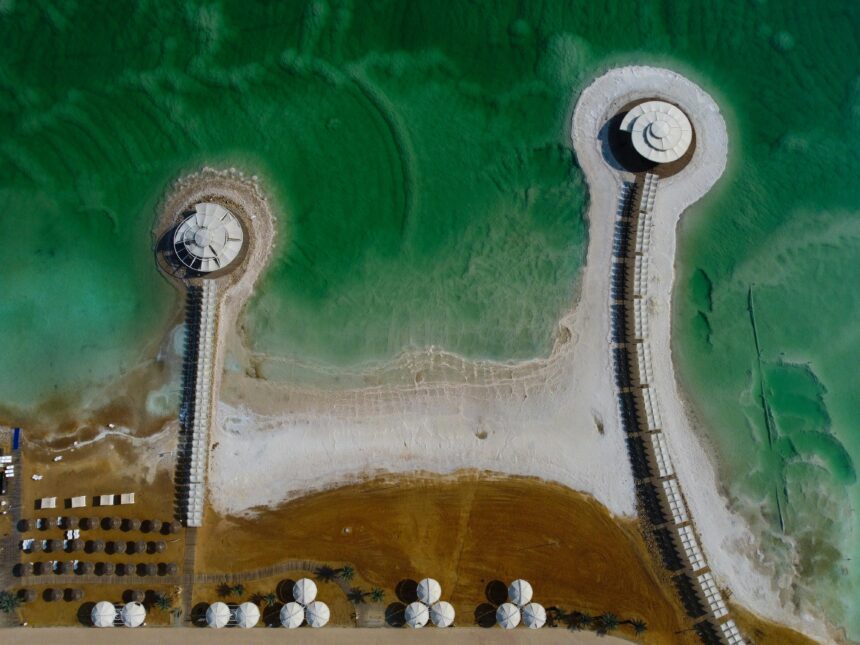
Dead Sea: Unveiling the Incredible Secrets of Nature’s Salty Marvel (2024)
The Dead Sea, a true marvel of nature, captivates millions with its unique characteristics and stunning landscapes. Located at the lowest point on Earth, this extraordinary salt lake has fascinated scientists, travelers, and adventurers alike for centuries. While many know it as a place of unparalleled buoyancy and therapeutic mud, the Dead Sea is shrouded in many lesser-known secrets. In this article, we will explore some incredible facts about the Dead Sea that remain relatively unknown, shedding light on this fascinating natural wonder.
The Geography of the Dead Sea
Location and Formation
The Dead Sea lies between Jordan to the east and Israel and Palestine to the west. It is part of the Great Rift Valley, which was formed millions of years ago due to tectonic activity. The lake is approximately 43 miles (69 kilometers) long and 9 miles (14 kilometers) wide, covering an area of about 605 square kilometers (233 square miles). Its maximum depth is around 1,410 feet (430 meters), making it the deepest hypersaline lake in the world.
Salinity Levels
One of the most remarkable features of the Dead Sea is its salinity, which is over ten times saltier than most oceanic bodies of water. The salinity levels can reach up to 34% compared to the average ocean salinity of around 3.5%. This extreme salinity is primarily due to high evaporation rates, with the region experiencing a hot desert climate. The high mineral content contributes to the unique buoyancy that allows people to float effortlessly on its surface.

A Unique Ecosystem
Flora and Fauna
Despite its name, the Dead Sea is not entirely devoid of life. The extreme salinity limits the types of organisms that can thrive in the area; however, some unique microorganisms, including halophiles (salt-loving bacteria), can be found. These microorganisms play a vital role in maintaining the ecosystem and have been the subject of scientific research due to their resilience and potential applications in biotechnology.
Therapeutic Benefits
The Dead Sea is renowned for its therapeutic properties, attracting visitors seeking relief from various ailments. The mineral-rich mud and water are believed to provide numerous health benefits, including improving skin conditions like psoriasis, eczema, and acne. The high concentration of magnesium, calcium, and potassium in the water helps promote skin hydration and rejuvenation.
Historical Significance
Ancient Civilizations
The Dead Sea has been an integral part of human history for thousands of years. Ancient civilizations, including the Egyptians, Romans, and Greeks, valued its unique properties. The area surrounding the Dead Sea was home to settlements such as the ancient city of Jericho, one of the oldest inhabited cities in the world.
The Dead Sea Scrolls
Perhaps one of the most significant historical discoveries associated with the Dead Sea is the Dead Sea Scrolls. Discovered in the late 1940s and early 1950s in the Qumran Caves near the northwest shore of the Dead Sea, these ancient manuscripts contain some of the oldest known biblical texts. The scrolls provide valuable insights into the religious beliefs, practices, and daily life of the Jewish community during the Second Temple period.
Myths and Legends
The Fountain of Youth
Throughout history, the Dead Sea has been associated with various myths and legends. One such legend is that of the Fountain of Youth. Ancient writings suggest that the waters of the Dead Sea held the power to rejuvenate and restore youth. While this idea has been romanticized over the years, the therapeutic properties of the mineral-rich mud and water have indeed attracted those seeking healing and revitalization.
Sodom and Gomorrah
Another notable legend linked to the Dead Sea is the biblical tale of Sodom and Gomorrah. According to the Bible, these cities were destroyed due to their wickedness, and their location is often associated with the area surrounding the Dead Sea. This connection adds an air of mystery and intrigue to the region, attracting visitors interested in both history and spirituality.
Modern-Day Attractions
Floating in the Dead Sea
One of the most popular activities for visitors is floating in the Dead Sea. The extreme salinity allows people to float effortlessly on the surface, creating a unique experience that is both relaxing and enjoyable. Tourists flock to the shores to capture the iconic image of themselves reading a book while lounging on the water’s surface, making for a perfect social media moment.
Mud Baths
Visitors also indulge in the therapeutic mud baths found along the shores of the Dead Sea. The mineral-rich mud is not only beneficial for the skin but also serves as a natural exfoliant. Many resorts and spas in the area offer mud treatment packages that allow guests to enjoy the rejuvenating properties of this unique mud while overlooking the breathtaking scenery.
Adventure Activities
Beyond relaxation, the Dead Sea region offers various adventure activities for thrill-seekers. Tourists can explore the surrounding desert landscapes through hiking, biking, and off-road driving. The stunning vistas, unique rock formations, and panoramic views of the Dead Sea create a backdrop for memorable outdoor experiences.
Environmental Concerns
Water Level Decline
Despite its allure, the Dead Sea faces significant environmental challenges. The water levels have been steadily declining, with estimates suggesting that the lake could lose one-third of its surface area by 2050. This decline is primarily attributed to water diversion from the Jordan River, the Dead Sea’s main water source, for agricultural and urban use.
Sinkholes
As the water levels drop, sinkholes have become a common occurrence along the shores of the Dead Sea. These sudden depressions in the ground can pose risks to both residents and tourists. Researchers continue to study the sinkhole phenomenon to better understand its causes and develop strategies for mitigation.
Conservation Efforts
International Initiatives
To address the environmental challenges facing the Dead Sea, various international initiatives and collaborations have emerged. Governments and organizations are working together to implement sustainable water management practices and raise awareness about the importance of preserving this unique ecosystem. Efforts include monitoring water levels, promoting responsible tourism, and engaging local communities in conservation efforts.

The Red Sea-Dead Sea Canal Project
One ambitious project aimed at saving the Dead Sea is the proposed Red Sea-Dead Sea Canal. This initiative involves constructing a canal to transport water from the Red Sea to the Dead Sea to replenish its declining water levels. While the project is still in its planning stages, it has the potential to significantly impact the region’s ecology and economy if executed responsibly.
Conclusion
The Dead Sea is a remarkable natural wonder that continues to captivate and inspire. Its unique characteristics, rich history, and therapeutic benefits make it a destination unlike any other. From the astonishing buoyancy of its waters to the ancient secrets of the Dead Sea Scrolls, the region holds countless stories waiting to be uncovered.
As we explore the incredible facts and secrets of the Dead Sea, it is essential to recognize the environmental challenges it faces and the importance of conservation efforts. By raising awareness and taking action, we can ensure that future generations can experience the beauty and wonder of this extraordinary place. Whether you’re seeking relaxation, adventure, or a glimpse into history, the Dead Sea is truly a treasure trove of experiences waiting to be discovered.
